There are fewer excuses
On the impacts of AI on the day to day work

Notebook LLM version:
A friend and I were talking about something that’s been on my mind.
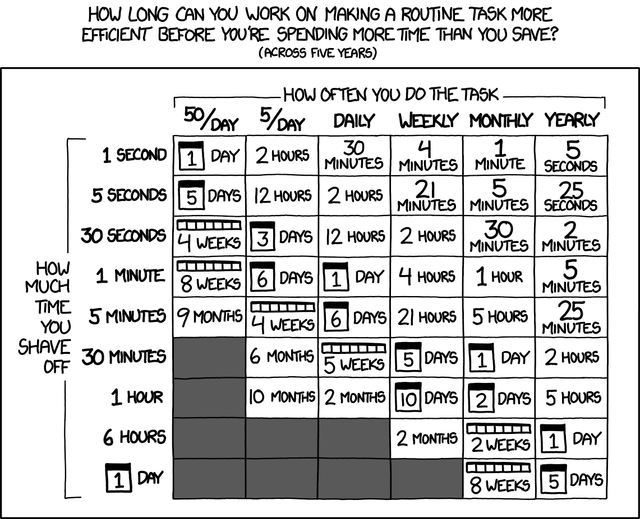
AI is quietly removing a lot of the excuses we used to have for skipping boring, repetitive work.
Things like cleaning data, writing small scripts, formatting information, automating a routine task. Not difficult, just annoying. In the past, you would look at something like that and think it would take a few evenings, maybe break your flow, and you would never quite get around to it.
Now you describe what you want in a few sentences. The agent asks a couple of follow ups. You get something usable in minutes. It is not perfect. But the friction is much lower.
That changes the default behavior.
Instead of doing the obvious 80 20 and ignoring the rest, you find yourself finishing small tasks that you would have postponed before. Not because you became more disciplined. Just because the cost of execution dropped. What used to feel like “not worth it” now feels easy enough to try.
And this is not only about code.
I have seen people use AI to clean up messy documents, spin up small internal tools, and generate rough animations that would have required real setup before. Things that sat in a backlog for months now get a quick prototype, simply because someone tried.
Not long ago, creating a short animated video meant learning a new tool or hiring someone who already knew it. It was possible, but it required commitment.
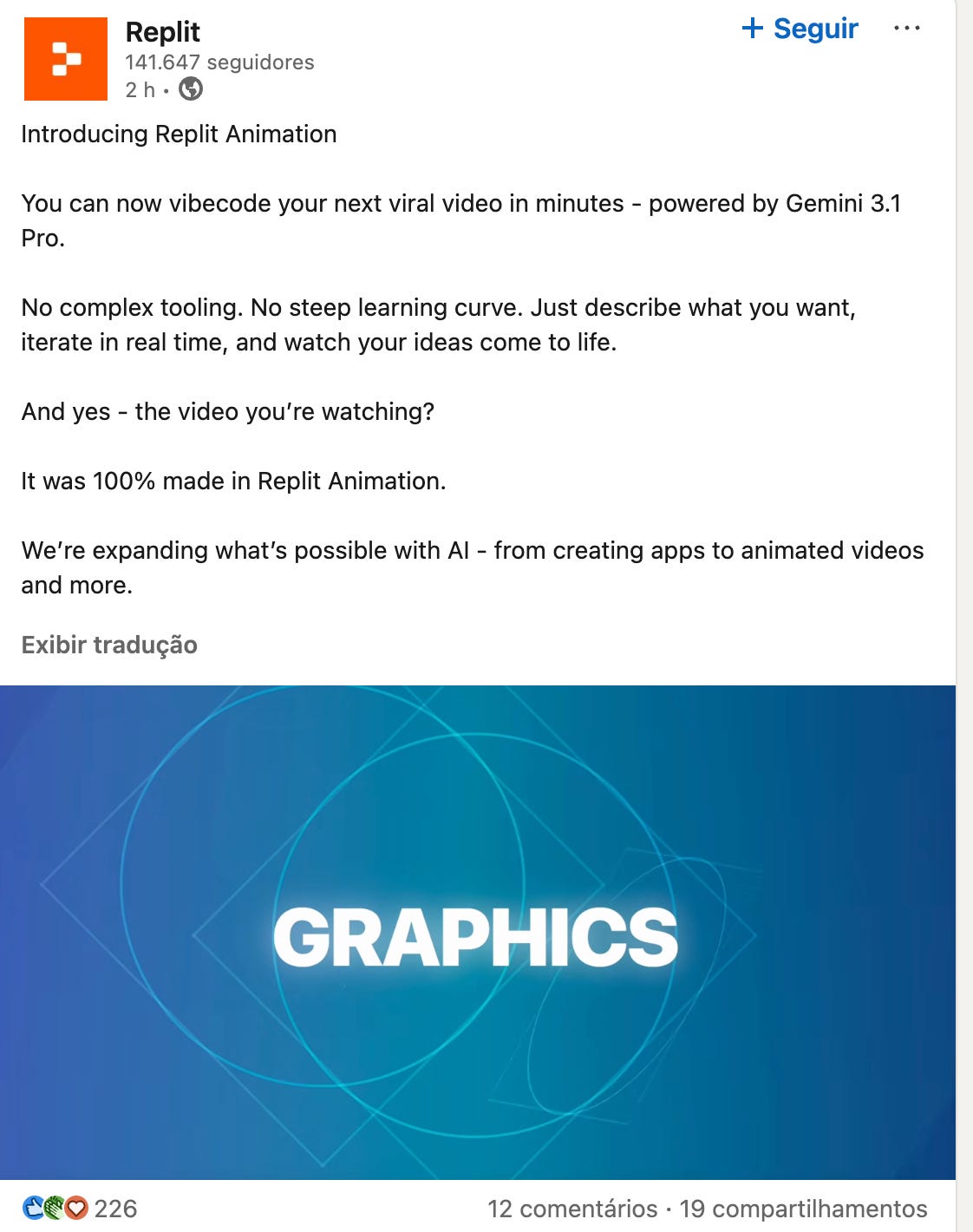
Now tools like Replit Animations let you vibe code those short animated videos directly from a prompt. It is still early. The output is not studio level. But it is good enough to test an idea.
Tasks that used to require commitment now only require curiosity.
You no longer need to decide if something is worth two weeks of effort. You just try it. Some attempts fail. Some outputs need work. But the effort threshold is low enough that skipping starts to feel like the bigger waste.
As models improve, more of these small tasks will become trivial to automate. People are experimenting with ways for agents to talk to each other and coordinate. In practice, you can already ask a general agent to figure things out across tools, and most of the time it manages.
That is the shift I am observing.
AI is not magically making everyone ten times more productive. It is removing the psychological excuse that something is too small to bother with.
Once that excuse disappears, the way you approach work changes. You start finishing more things. And in a world where execution used to be the bottleneck, that is not a small change.
There is a downside though.
When the cost of starting something drops close to zero, it also becomes easier to start things you never fully commit to. You can spin up prototypes all day. You can generate drafts, scripts, animations, tools. But finishing still requires judgment. It still requires taste. It still requires deciding what is actually worth shipping.
The same mechanism that removes friction also makes it easier to produce noise.
This post leans toward the upside, because I do think the reduction in execution cost is real and meaningful. But there is also space to talk about the “slop” AI can generate. When everything is easy to start, it becomes even more important to choose carefully what you continue.
Lower friction does not remove the need for discernment. If anything, it increases it.